
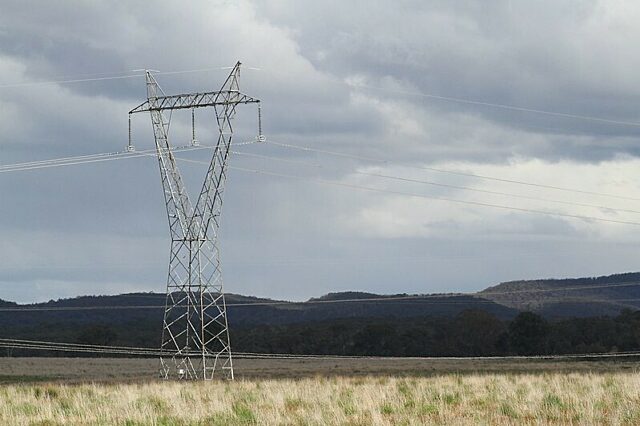
Transmission Line
A transmission line is essential to deliver the energy generated by the project to where it is needed.
More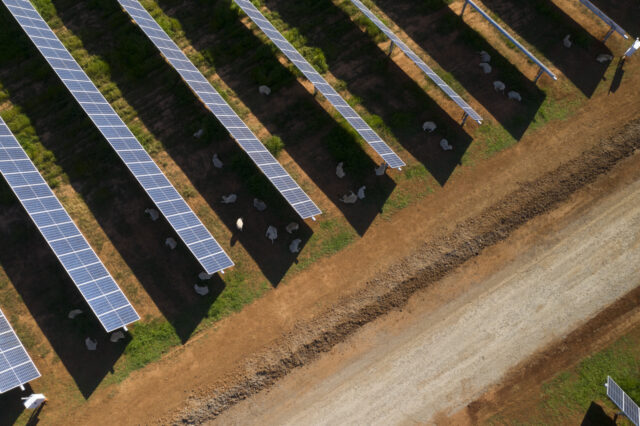

Type: Solar Farm & Battery
Phase: In Development
Rushworth, VIC
Solar Capacity
230
MW
Battery Size
290
MW
Area
589
ha
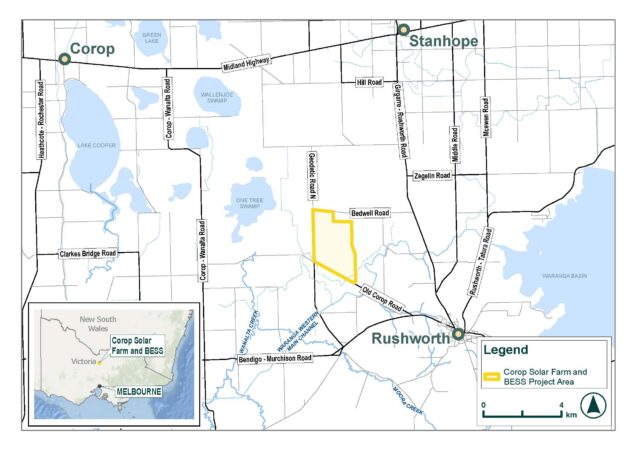
OX2 is planning the Corop Solar Farm and Battery, featuring a 230MW (AC) solar farm and a 290MW Battery Energy Storage System (BESS) across 589 hectares.
OX2 acquired Stage 1 of the project from BNRGLeeson in July 2026. The project developed by BNRGLeeson includes 2 stages, OX2 have only acquired Stage 1.
The site is located 5km northwest of Rushworth, VIC on private land with construction is anticipated to commence in mid / late 2027 and operations are expected to begin by late 2029. The project is proposed to connect via a dedicated switching station into the existing 220 kV Shepparton Terminal Station (SHTS) – Fosterville Tee Terminal Station (FVTS) transmission line that runs through the site.
The Project is expected to deliver affordable, clean, and reliable electricity for Victoria while offering economic, social, and environmental benefits.
The BESS will act as a large-scale power supplier and connect to VIC’s electricity transmission grid. It will store energy which can supply up to 4 hours of electricity. The BESS will store energy for use when it’s needed most and provide reliable and affordable power, helping utilities quickly deliver electricity during peak times, outages, or shortages.
Learn More
A transmission line is essential to deliver the energy generated by the project to where it is needed.
More
We are committed to building respectful and genuine partnerships with First Nations communities throughout the lifecycle of our renewable energy projects. This includes protecting cultural heritage, supporting economic participation, and fostering opportunities for collaboration and knowledge sharing.
More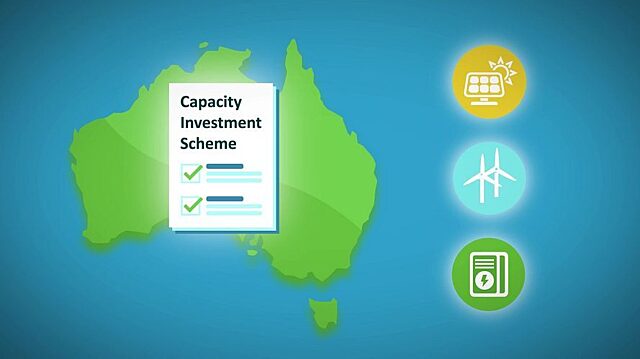
Corop Solar Farm & Battery has been selected as a successful project under the Australian Government’s Capacity Investment Scheme (CIS).
MoreJoin The Conversation
We want to share information about the project, explain any potential impacts, hear your thoughts, answer your questions, and keep you updated every step of the way.
More
OX2 welcome enquiries and feedback regarding the Corop solar farm and battery project.
More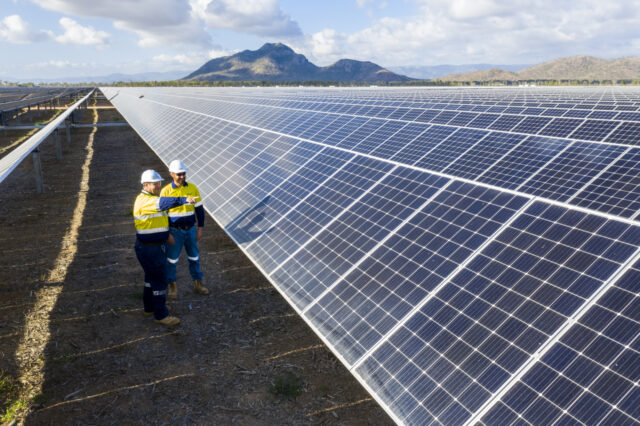
A Solar Farm brings many direct opportunities for employment to the region during both the construction phase and ongoing operations once the project is commissioned.
MoreOX2 is the leading developer of onshore wind in Europe. As an industry pioneer, we are active in eleven markets and offer fully customised renewable energy solutions involving several technologies, including wind and solar energy, in addition to hydrogen and energy storage projects. We design and build sustainable projects and tailor them to meet our customers’ needs. OX2 has a proven business model and in-house expertise at every step of the process – from project inception and financing to engineering and design, permitting, procurement, construction, and technical and commercial management. Our mission is to accelerate access to renewable energy. We see ourselves becoming the leading provider of renewable energy solutions globally, thereby powering the great shift.
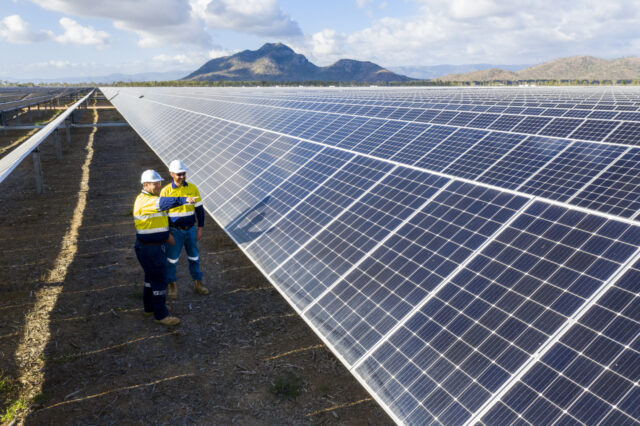
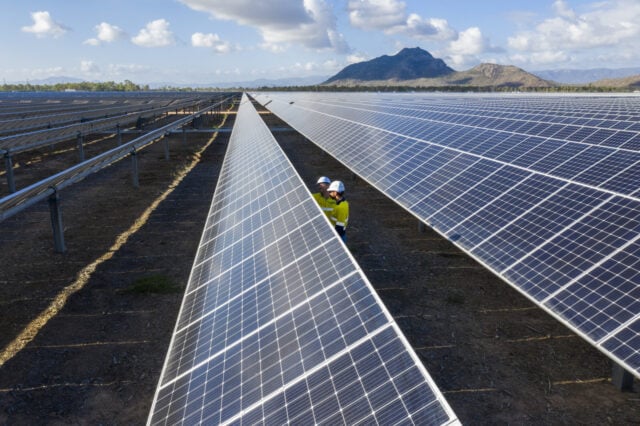
A solar farm consists of a large-scale solar photovoltaic (PV) generation facility, and associated infrastructure. It comprises the installation of solar PV panels, substation, inverters, power cabling, site offices and access tracks. A transmission line to connect the solar farm to existing electrical infrastructure may be required.
The solar panels are typically 1.2 meters (m) x 2.4 m in size and are arranged in rows. These rows of solar panels are spaced 5m to 7m apart. The height of a fully tilted solar panel is 3m to 4m above the ground.
BESS facilities generally use lithium-ion to store the electricity until it is ready to be distributed to the network. BESS facilities allow energy generated from another source (such as a solar farm) to be stored until it is needed. BESS facilities improve grid reliability by storing low-cost electricity when there is an oversupply of electricity or during periods of low demand/high generation so that electricity is available when demand is higher. In fact, BESS can reduce electricity costs for communities by lowering peak demand charges and providing access to cheaper electricity during off-peak hours. The fast response capability of BESS also offers ancillary services to keep power quality in the grid at a standard level. Additionally, BESS can act as a backup power source during emergencies like bushfires, ensuring that critical infrastructure (hospitals, emergency services, water systems) remains operational even if the grid is disrupted.
BESS facilities contain several key components, including battery units, inverters and transformers. The final composition of a BESS facility will depend on the BESS technology being used, the BESS supplier and the size of the facility. Where possible, BESS facilities are co-located with or near a grid connection point (such as a terminal station), therefore minimising the need for additional connection infrastructure.
Large-scale BESS facilities are expected to have an operational life of approximately 15 to 20 years and are typically monitored remotely, without the requirement for permanent staff on site. Staff are, however, required to access the site from time to time to undertake inspection and maintenance activities.